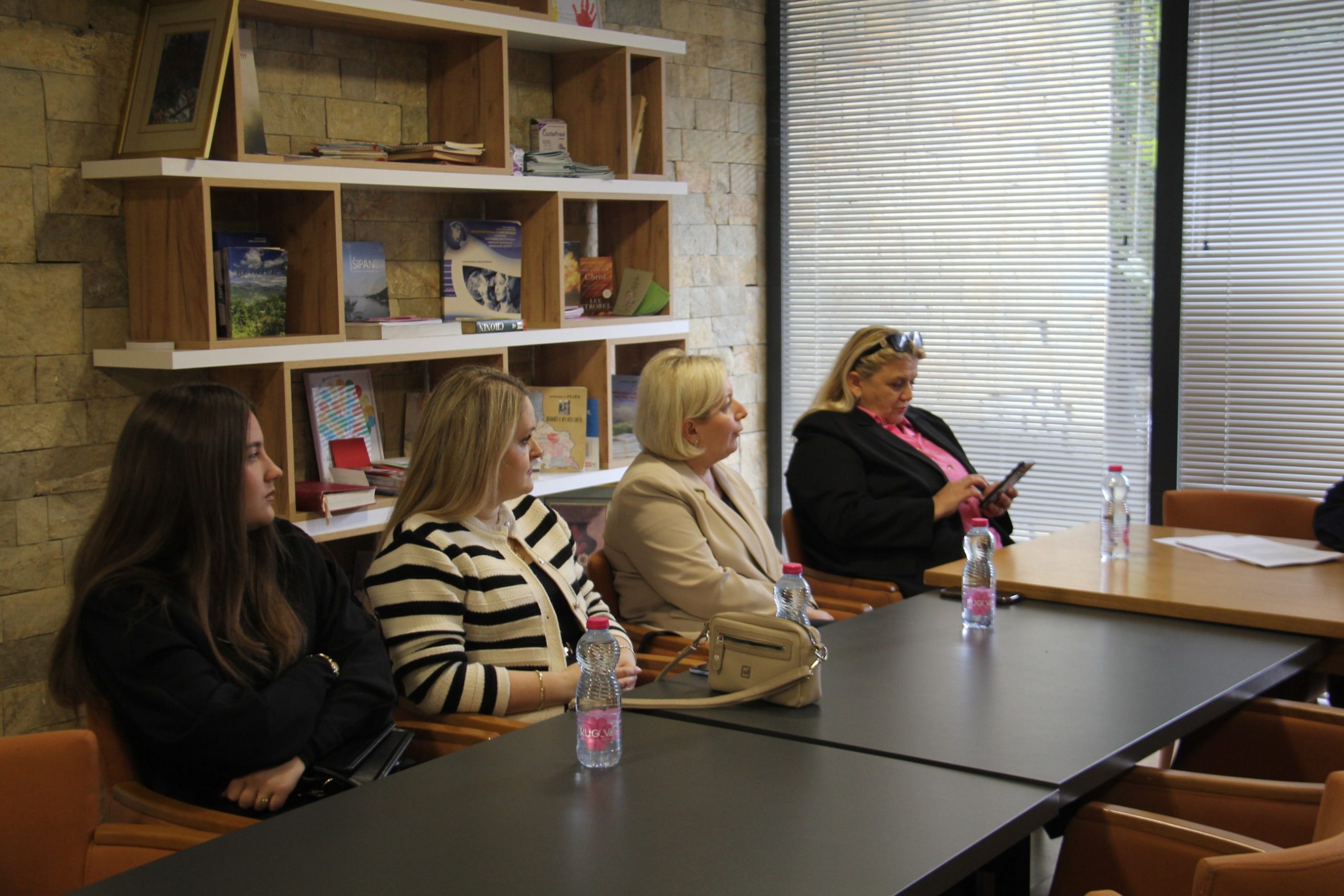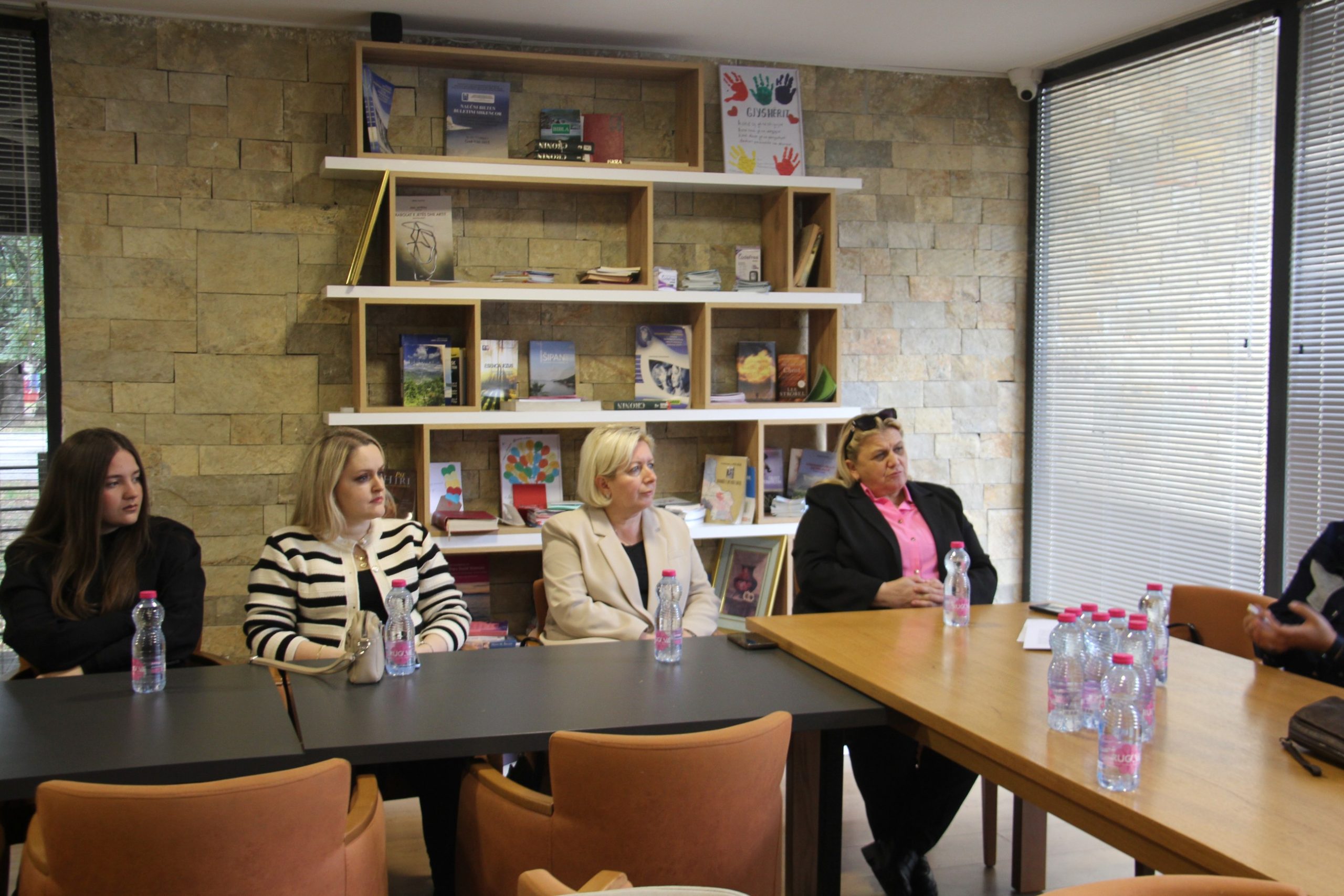

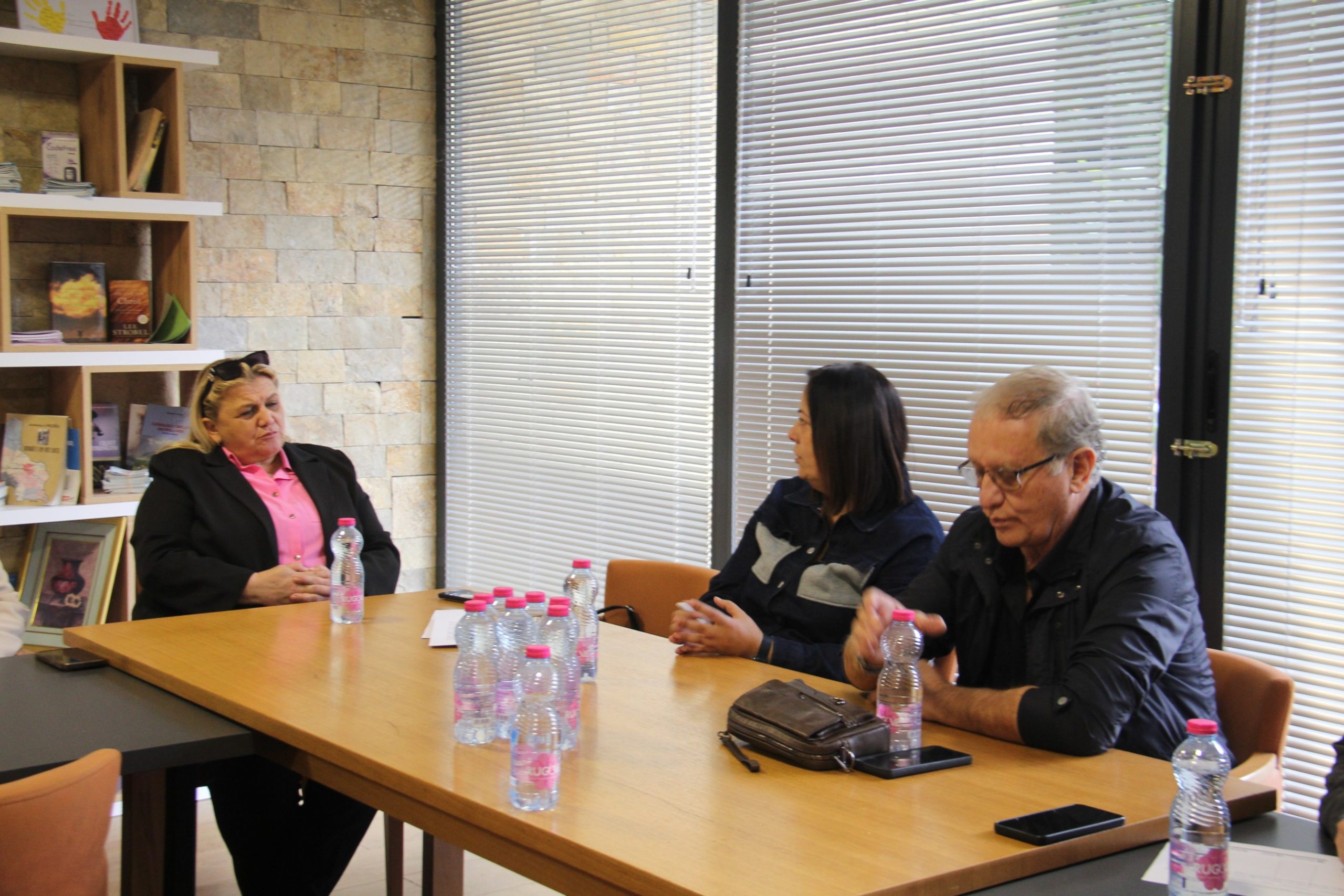
Continuing the work with factsheets, the group is holding regular meetings with local stakeholders and representatives of institutions in the Municipality of Peja.
During the meetings, key findings from the case study in the village of Buçan were presented, highlighting multiple challenges affecting the quality of life of women and families in rural areas. The lack of regular public transport and kindergartens remain among the main factors limiting women’s employment opportunities and broader participation in social and economic life.
Discussions focused on the most effective ways to implement the recommendations included in the factsheet, aiming to serve as a practical guide for local and central institutions. Among the most emphasized recommendations are subsidizing public transport and opening kindergartens in rural areas, measures that would contribute to increasing women’s employment, improving access to education, and preventing rural outmigration.
This process takes place within the framework of the project “Decision-making through dialogue: Improving rural life through advocacy of interest groups”, implemented by D4D with the support of the regional project SMART Balkans – Civil Society for Shared Values in the Western Balkans.