

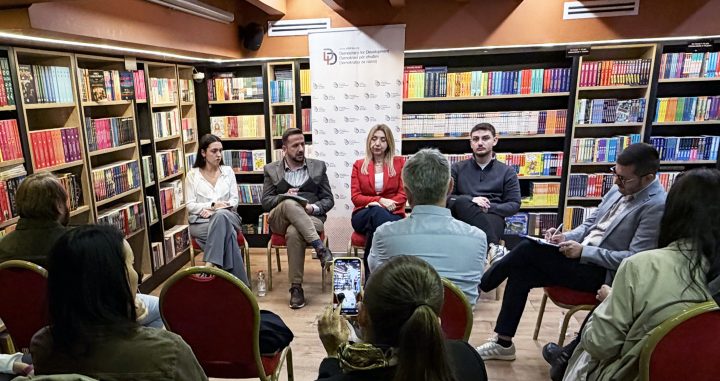
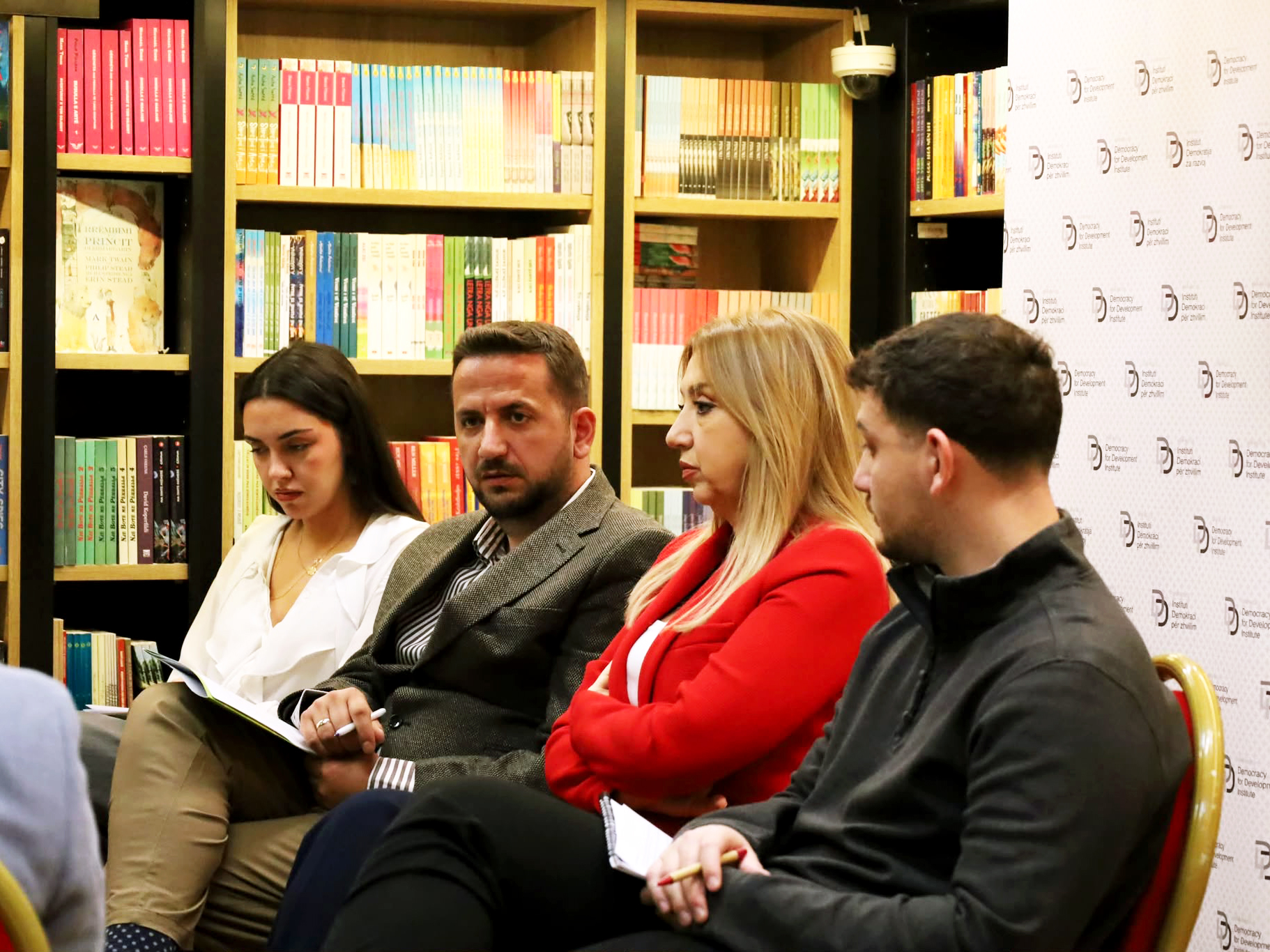
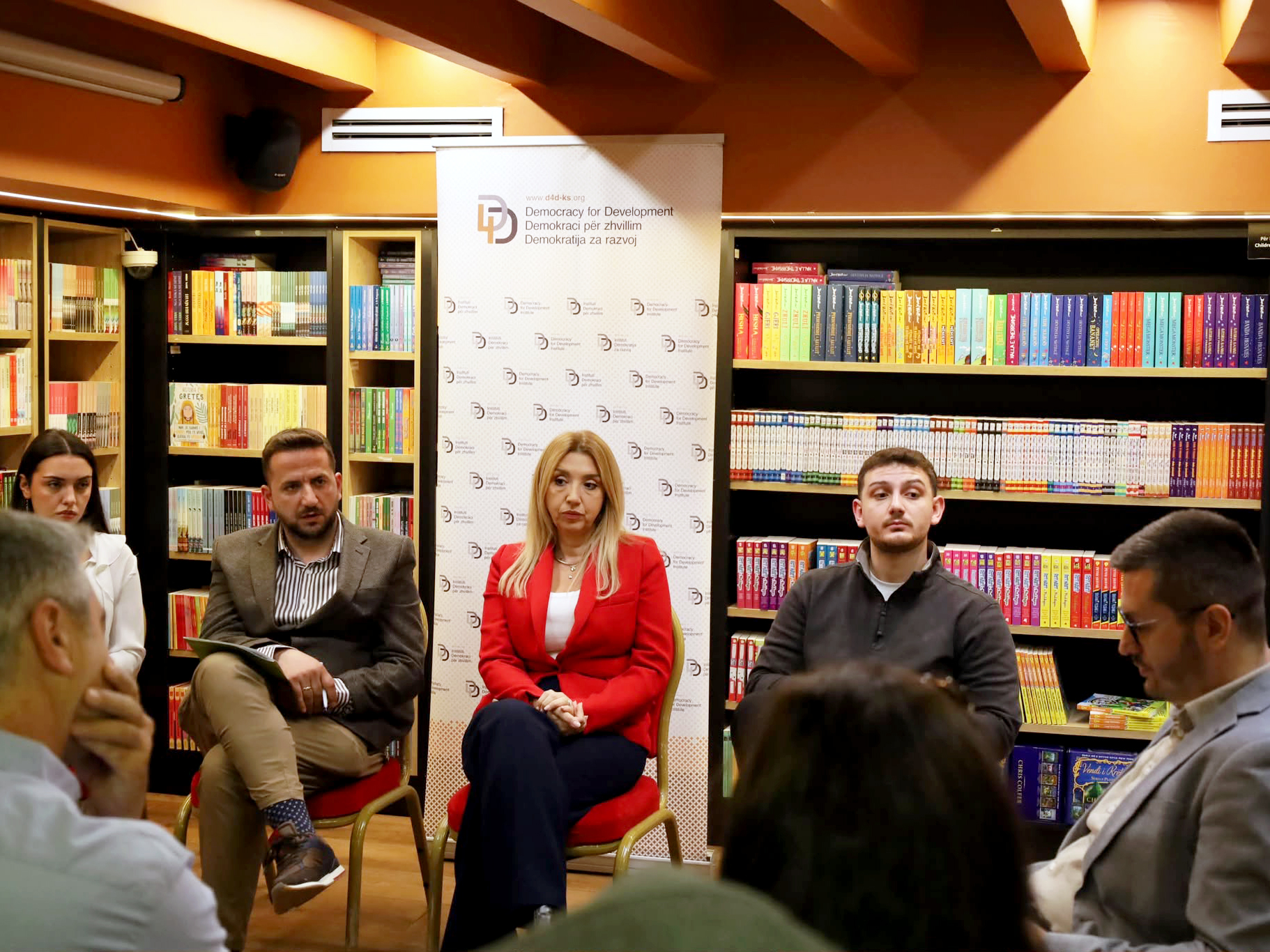
On October 20, 2026, Democracy for Development (D4D), in cooperation with the FOL Movement, organized another edition of Tuesday’s Salon, titled “The Future of Energy: How Close Are Citizens to the Opportunities Provided by Law?”, at Dukagjini Bookstore in Prishtina. The event brought together energy sector experts, representatives of organizations, and interested citizens to discuss the opportunities provided by Kosovo’s legal framework, the extent to which citizens can benefit from them, and the challenges surrounding the energy transition.
The panel featured Granit Restelica, Senior Mechanical Engineer at the Kosovo Energy Efficiency Fund (KEEF); Fiona Bakija, Project Coordinator and Researcher at the Balkan Green Foundation (BGF); Liron Gjocaj, Project Coordinator and Senior Researcher at the Institute for Development Policy (INDEP); and Laura Kryeziu, energy expert and co-founder of the Women in Energy and Mining (WEM) network.
One of the central issues discussed was the gap between the opportunities provided by the legal framework and their implementation in practice. Developments in energy legislation were viewed positively, but concerns were also raised about the pace and effectiveness of implementation. The discussion highlighted that having laws and support mechanisms in place is not enough if citizens lack clear information, adequate support, and practical opportunities to benefit from them.
In this regard, particular attention was given to energy efficiency subsidy programs, which were discussed as positive examples of direct support for households. The discussion addressed experiences with previous schemes implemented by the Kosovo Energy Efficiency Fund, which covered part of the investment costs, as well as its cooperation with UNDP on a new scheme presented during the discussion as an opportunity to fully finance investments for eligible households. However, questions were also raised about access to these programs and the need to ensure that support reaches families most in need, including those who lack the financial resources to invest on their own.
Beyond financial support, limited public awareness and access to information were identified as additional barriers preventing citizens from taking advantage of opportunities in the energy sector. The need for clearer and more accessible information was emphasized, particularly regarding citizens’ legal rights, existing support programs, and the potential economic benefits of investments in energy efficiency and renewable energy. In this context, the discussion also highlighted the importance of greater government involvement, not only in implementing policies and programs but also in informing citizens and making these opportunities easier to access.
Another topic addressed was the possibility of greater citizen participation in electricity generation from renewable sources. The discussion focused on the potential for installing solar panels on residential rooftops and developing energy communities through which citizens could jointly produce and use energy. In this regard, the need for Kosovo to conduct a feasibility assessment of the potential capacity for rooftop solar installations on residential buildings was raised. Such an assessment would help identify opportunities for citizens to become electricity self-producers, or *prosumers*, generating electricity for their own consumption and feeding surplus electricity into the grid under the applicable mechanisms.
The discussion also explored the direction of Kosovo’s energy sector and the importance of carefully planning the energy transition. It was emphasized that the shift from traditional energy sources toward cleaner energy should not focus solely on changing how energy is produced, but must also consider the social and economic consequences. Particular attention was given to the need to plan for the future of workers in the traditional energy sector through professional training and reskilling programs. Such measures would help workers who have spent most of their careers in this sector adapt to changes and avoid being left out of the labor market.
Another concern raised during the discussion was the implementation of Kosovo’s Energy Strategy and the achievement of its targets by 2031. The targets were considered ambitious, while the current pace of implementation raised serious doubts about whether they could be achieved within the established timeframe. In this regard, the need to accelerate the implementation of the strategy and strengthen institutional commitment to achieving its objectives was emphasized.
Several issues emerged from the discussion as priorities requiring further attention and action: improving the implementation of the legal framework and energy policies; expanding public information and awareness; making subsidy programs more accessible; assessing the potential for citizen-led solar electricity generation; and planning social and economic measures to accompany the energy transition. Greater engagement by the responsible institutions in implementing the objectives of the Energy Strategy was also highlighted as necessary.
Overall, the discussion underscored that progress in the energy sector should not be measured solely by the adoption of laws, the development of strategies, or the implementation of investments, but also by the real opportunities and tangible benefits these developments create for citizens. Achieving this requires an approach that connects energy sector development with citizens’ needs, economic affordability, and a just transition that does not leave affected workers and communities behind.

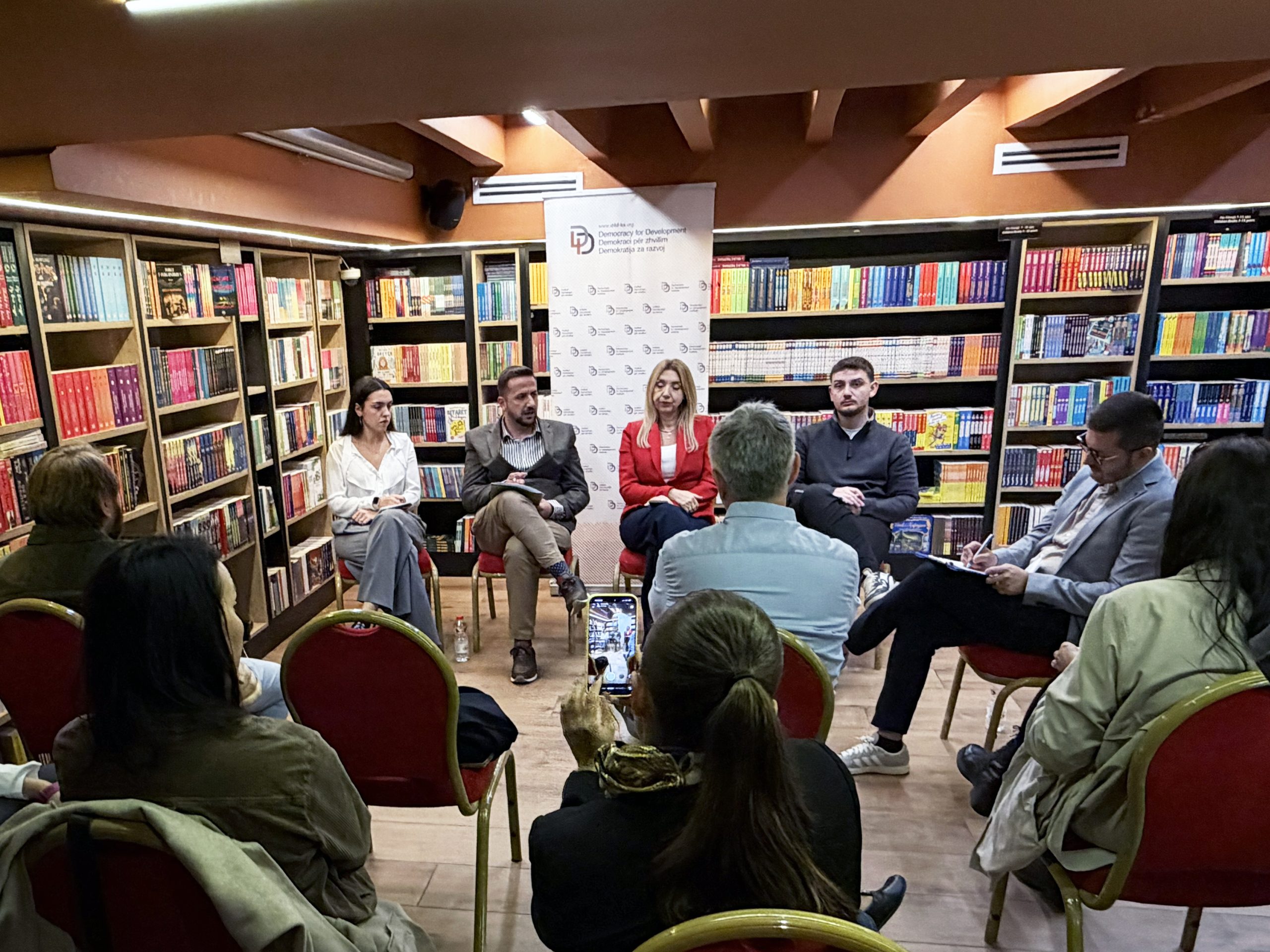
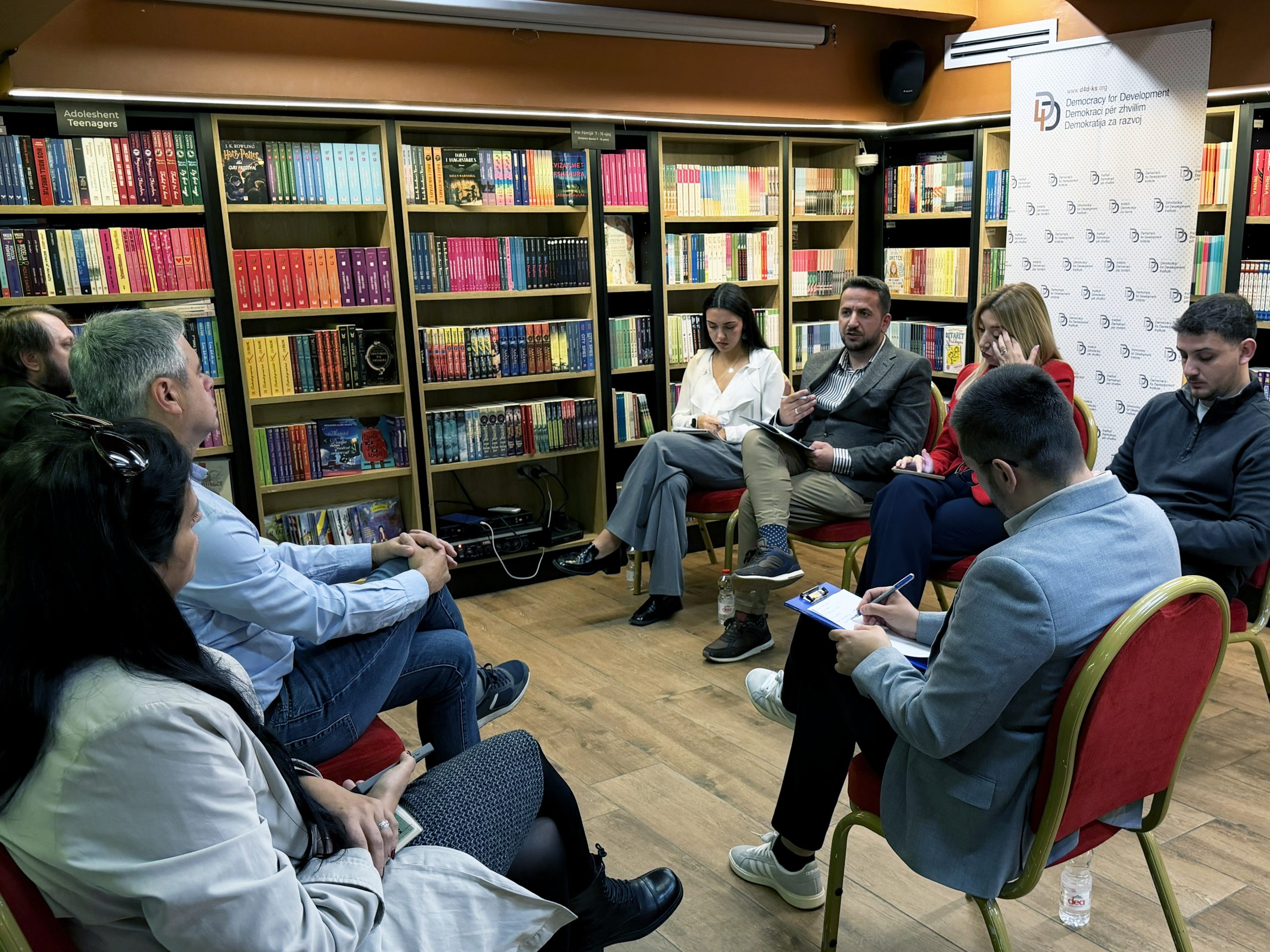
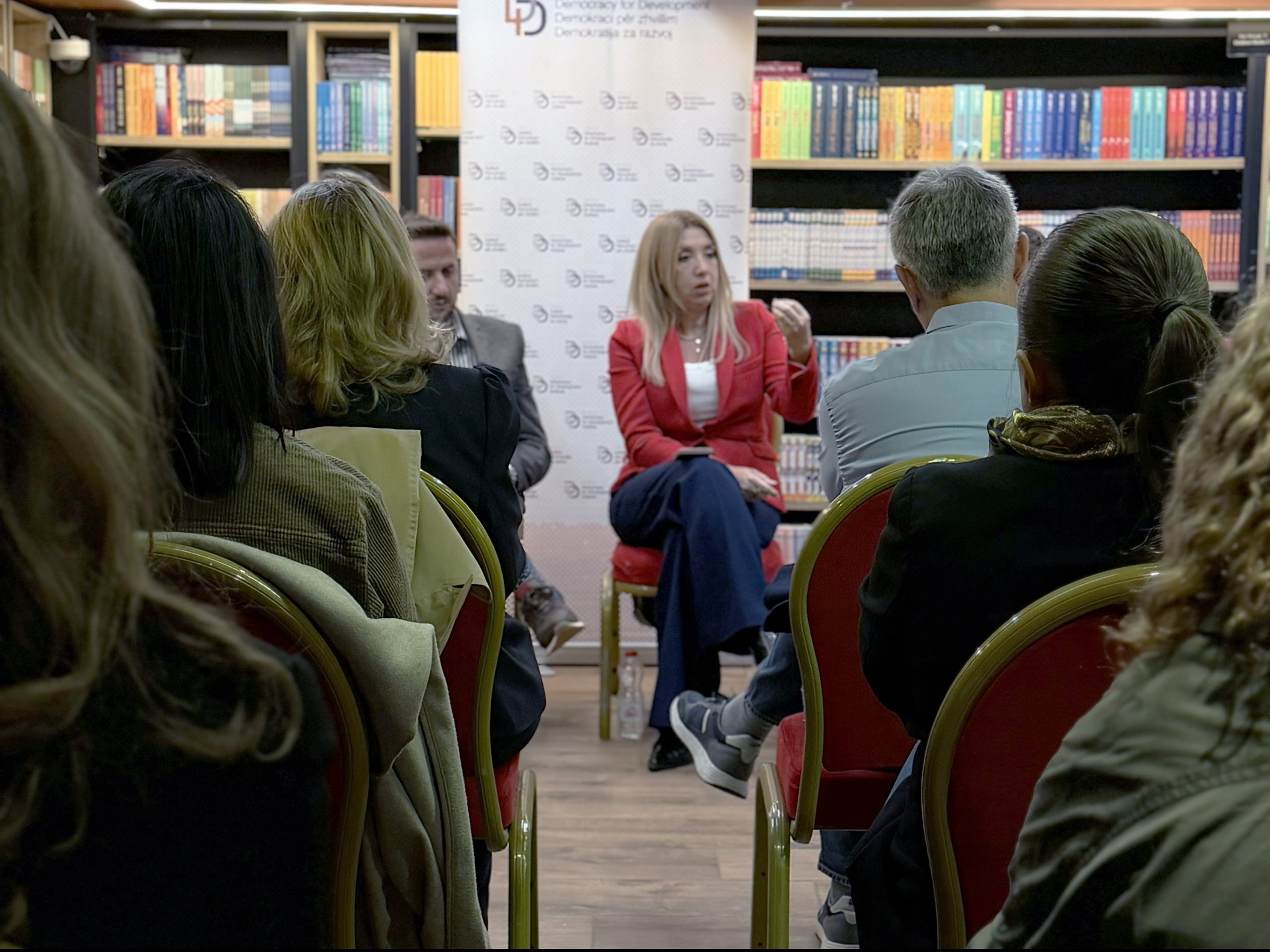
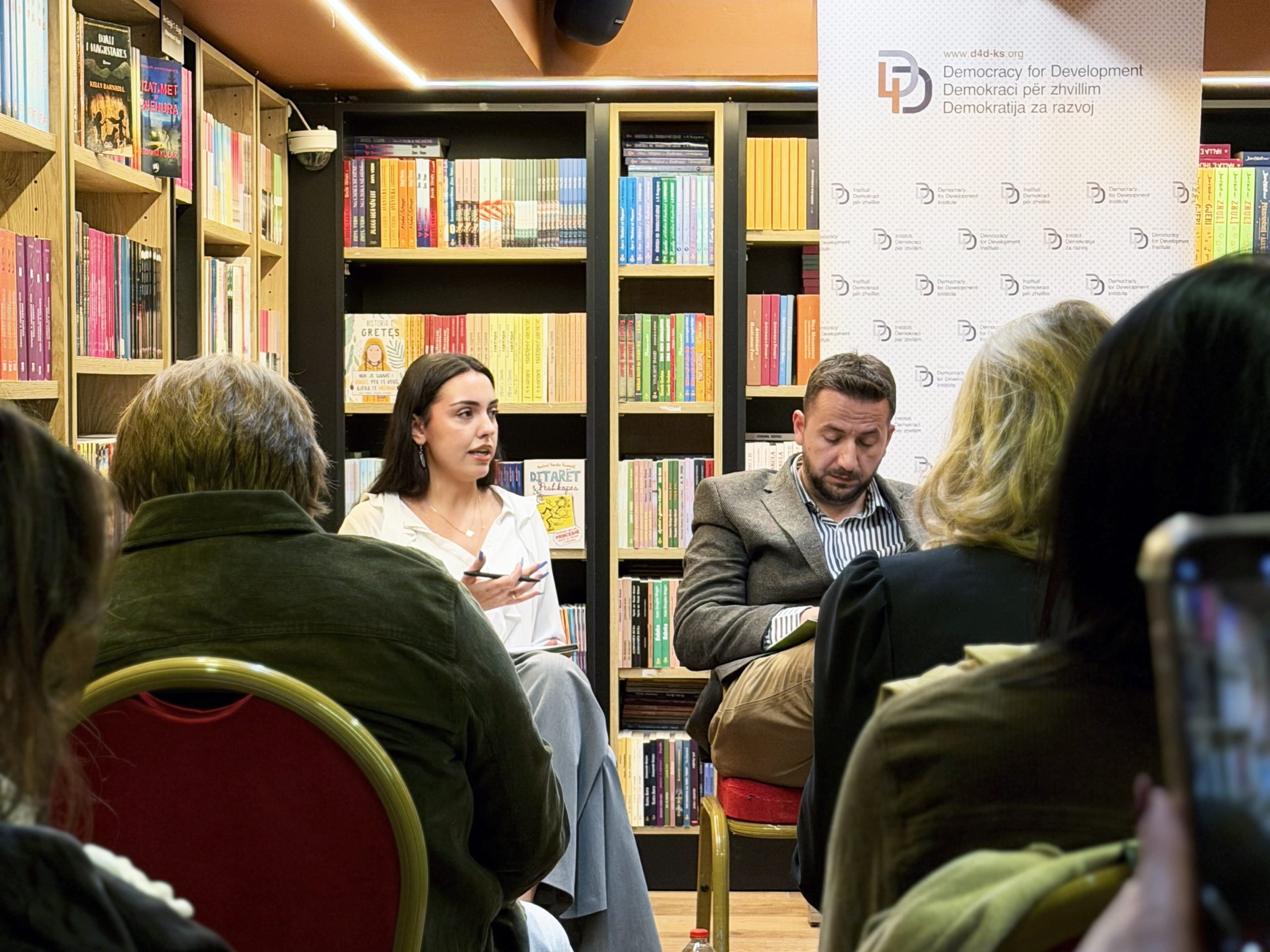

The discussion was held under the Chatham House Rule, encouraging an open exchange of views and experiences among panelists and participants.
This Salon was organized by Democracy for Development (D4D) and the FOL Movement with the support of the European Union.